


Learn
Inflation Hits 5.54%: What Rising Prices Do to Your Money Goals
September CPI hit 5.54% — a 23-month high — with food inflation at 7.74%. What MoSPI's numbers mean for your budget, goals, and the RBI's next move.
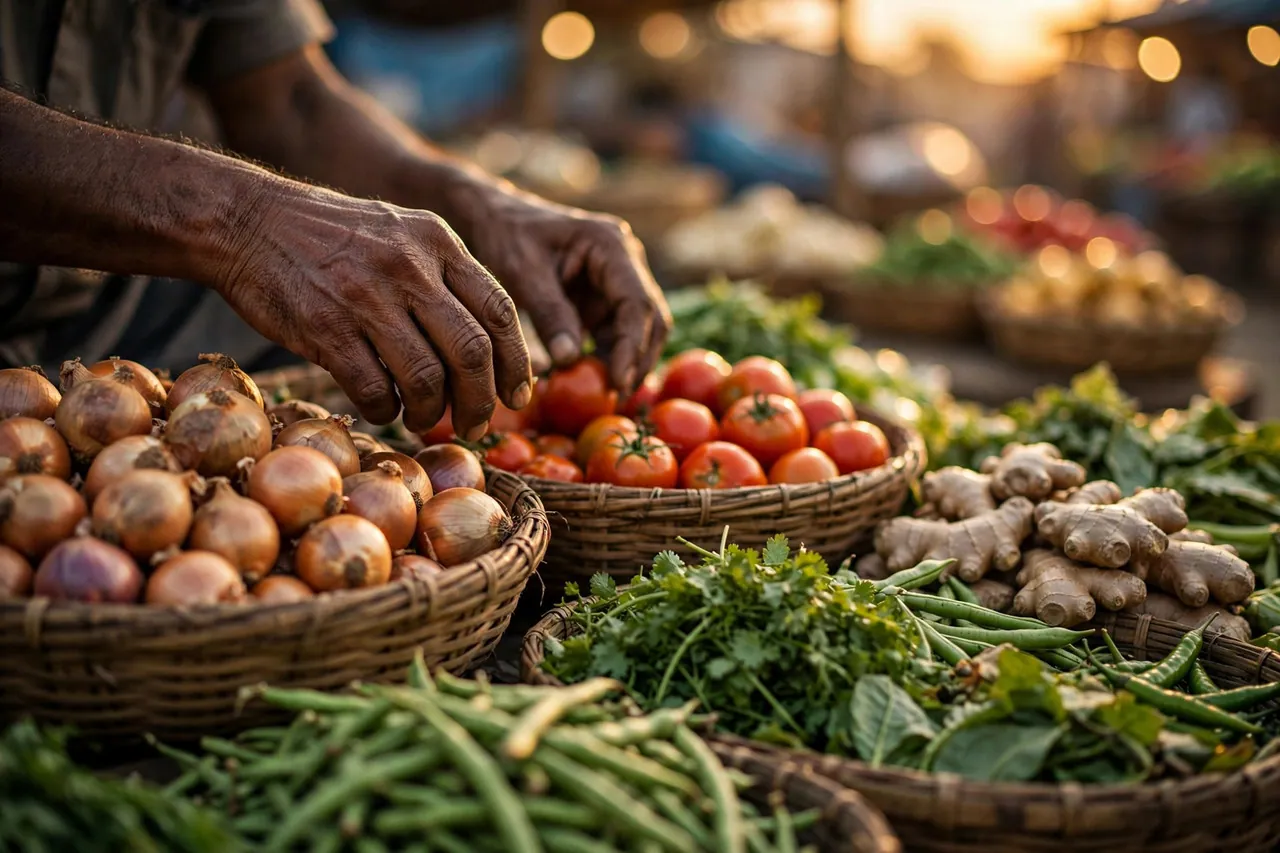
Quick Answer: India's retail inflation rose to 5.54% in September 2026 — a 23-month high — from 4.83% in August, the Ministry of Statistics and Programme Implementation (MoSPI) said on October 12. Food inflation surged to 7.74%, with onion prices up 108% year-on-year. The print sits inside the RBI's 2–6% band but above its 4% target, days after the RBI raised the repo rate to 5.5%.
On Monday evening, the government put a number on what your grocery bills have been telling you for weeks: 5.54%. That is the official year-on-year rise in India's Consumer Price Index for September 2026 — the highest in 23 months, and the first print above 5% since December 2024. Food prices did the heavy lifting. The Consumer Food Price Index (CFPI) accelerated to 7.74%, up from 5.97% in August.
This is the one number the RBI watches most closely when it sets interest rates — and it landed less than a week after the central bank raised the repo rate to 5.5% for the first time in nearly four years. Here is what MoSPI actually reported, how it compares with what economists expected, and what 5.54% quietly does to the money goals you are saving for.
The 5 numbers that matter from MoSPI's release
1. Headline inflation: 5.54%. The September reading rose from August's final print of 4.83%, according to the provisional data released by the National Statistics Office under MoSPI on October 12. The series uses 2024 as its base year. 2. Food inflation: 7.74%. The CFPI jumped from 5.97% in August. In plain terms: food is inflating roughly one-and-a-half times faster than the overall basket. The combined food price index climbed to 112.17 from 110.73 in August. 3. Rural India is feeling it more: 6.08% vs 4.88%. Rural headline inflation reached 6.08% (up from 5.24% in August), while urban inflation printed 4.88% (up from 4.31%). Rural food inflation touched 8.06% against 7.18% in urban areas. The rural headline is now breaching the RBI's 6% upper tolerance limit even though the national figure is not. 4. Onions up 108%; tomatoes down 9%. The release names its villains: onion inflation hit 108.09% year-on-year (from 48.78% in August), ginger 62.85%, garlic 54.62%, lemon 36.41%. On the relief side: potato prices fell 11.50%, tomatoes 8.62%, lady's finger 4.48% and coconut 3.99%. 5. Everything outside food is calmer. Across expenditure divisions, inflation was 13.75% for personal care and miscellaneous services, 9.36% for restaurants and accommodation, 7.36% for food and beverages, and 5.01% for transport. Housing and utilities stood at 2.74%, education at 3.94%, and health at just 1.40%. The pain is concentrated in the kitchen, not spread across the whole basket. MoSPI says price data was collected from 1,407 urban markets (including online markets) and 1,465 villages across states and Union Territories, with a 100% response rate in September — the widest coverage the release claims.How it compares with what economists expected
A Financial Express poll of 13 economists published on October 8 had pegged September inflation at roughly 5.6% — itself expected to be a 23-month high and the first print above 5% since December 2024. The official 5.54% landed slightly below that expectation, which matters: it means the market was bracing for worse, and got marginally better than feared. Against the RBI's own yardsticks: 5.54% sits inside the 2–6% tolerance band but above the 4% medium-term target — where it has now spent several consecutive months. The RBI's October policy raised the repo rate 25 basis points to 5.5% and lifted its full-year FY27 inflation forecast to 5.2%. September's 5.54% lands a touch above the RBI's implied path for the month, which is worth watching in the central bank's next commentary. One framing note: September's figures are provisional; August's numbers above are final. Provisional prints can be revised when the next release lands — October's data is due on November 12, 2026.What MoSPI says actually moved prices
The release is unambiguous about the driver: vegetables and perishables. Onion inflation more than doubling from 48.78% to 108.09% in a single month is the single largest swing in the table. Ginger, garlic and lemon all accelerated too, consistent with the erratic monsoon conditions the market has been reporting. Not everything rose. The deflation in potatoes (−11.50%) and tomatoes (−8.62%) is the mirror image — proof that this is a supply-shock pattern, not broad demand overheating. When specific crops swing 100%+ while housing, health and education stay under 4%, the inflation story is about harvests and logistics, not about consumers spending too freely. That distinction is exactly what the RBI will weigh when it reads this print.What 5.54% means for the RBI — in neutral terms
The RBI's job is to keep inflation near 4% within the 2–6% band. At 5.54%, the number is inside the band but drifting toward its ceiling, and rural inflation at 6.08% is already above it. Markets will now watch whether the October rate hike to 5.5% was the start of a tightening sequence or a one-off insurance move — but no one outside the MPC can state that as fact, and this article won't. What can be stated: the RBI's FY27 forecast is 5.2%, and September's 5.54% keeps the pressure on that forecast rather than relieving it. The next MPC meeting's commentary will be read line-by-line for how it characterises food inflation — "transitory" or "persistent".What it means for your household and your goals
Forget the policy debate for a minute. Here is the number that affects you directly: at roughly 5.5% inflation, money loses about 43% of its purchasing power in ten years. The math is unforgiving because it compounds. Take a concrete goal. Suppose you want ₹1 crore in today's purchasing power ten years from now: - At 4% inflation, you actually need to accumulate about ₹1.48 crore. - At 5.5% inflation, you need about ₹1.72 crore — roughly ₹24 lakh more for the same lifestyle.
That ₹24-lakh gap is the silent tax of a 1.5-percentage-point inflation overshoot. It does not appear in any bank statement. It appears when you price the flat, the college fee, or the retirement corpus ten years later and find the target moved.
Three practical takeaways follow from MoSPI's release — educational, not advisory:
- Food-heavy budgets feel more than 5.54%. If food is 40–50% of your household spend, your personal inflation rate is closer to the 7.74% food figure than the headline. Budget for it rather than the average.
- Fixed deposits are losing the race right now. If your savings earn less than 5.54% after tax, their real value is shrinking. This is arithmetic, not a recommendation — but it is the right arithmetic to do before renewing any deposit.
- Step up, don't just save. Goals set in today's rupees need inflation-adjusted contributions. A fixed monthly saving that felt adequate at 4% inflation falls short at 5.5% — the fix is reviewing the target yearly, not abandoning it.
Sources: MoSPI/NSO CPI press release for September 2026 (Oct 12, 2026), as reported by IANS, DD India and The Statesman; Financial Express economist poll (Oct 8, 2026); RBI October 2026 monetary policy statement (repo rate 5.5%, FY27 CPI forecast 5.2%). September figures are provisional.
This article is for educational purposes only and is not financial advice. Please consult a SEBI-registered investment adviser for personalized guidance. Investments are subject to market risk.
Frequently Asked Questions
What is the current CPI inflation rate in India?
What is food inflation in India right now?
Why did inflation rise in September 2026?
Is 5.54% inflation above the RBI's target?
When is the next CPI release?
How does inflation affect my savings goals?
Beat 5.5% inflation on paper first
1. Open the inflation calculator in the article and enter your biggest money goal — the flat, the child's education, the retirement number — with its target year. 2. Enter the same goal again with 5.5% inflation instead of 4%. 3. The difference is what this month's CPI report just added to your target. 4. Write both numbers down; your savings plan should chase the higher one.
Learn MoreDiscussion
KEEP EXPLORING
More in Learn Your next good read.
Learn
Jeevan Pramaan From Home: Digital Life Certificate in November, Step by Step
7 min read
LearnNovember 1 Money Checklist: 7 Changes to Check Today
6 min read
LearnThe Power of Compounding in India: How ₹5,000 a Month Can Become ₹49 Lakh
8 min read
LearnIndia's ₹10,000 Crore Container Scheme, Explained Simply
9 min read