


Mutual Funds & SIP
Gold at ₹1.5 Lakh This Dhanteras: Gold ETFs vs Jewellery vs Digital Gold vs SGBs — Which Keeps the Most Gold Per Rupee
Dhanteras 2026: gold ETF vs jewellery vs digital gold vs SGB at ₹1.5 lakh/10g — true cost per gram, duty maths, and which keeps the most gold per rupee.
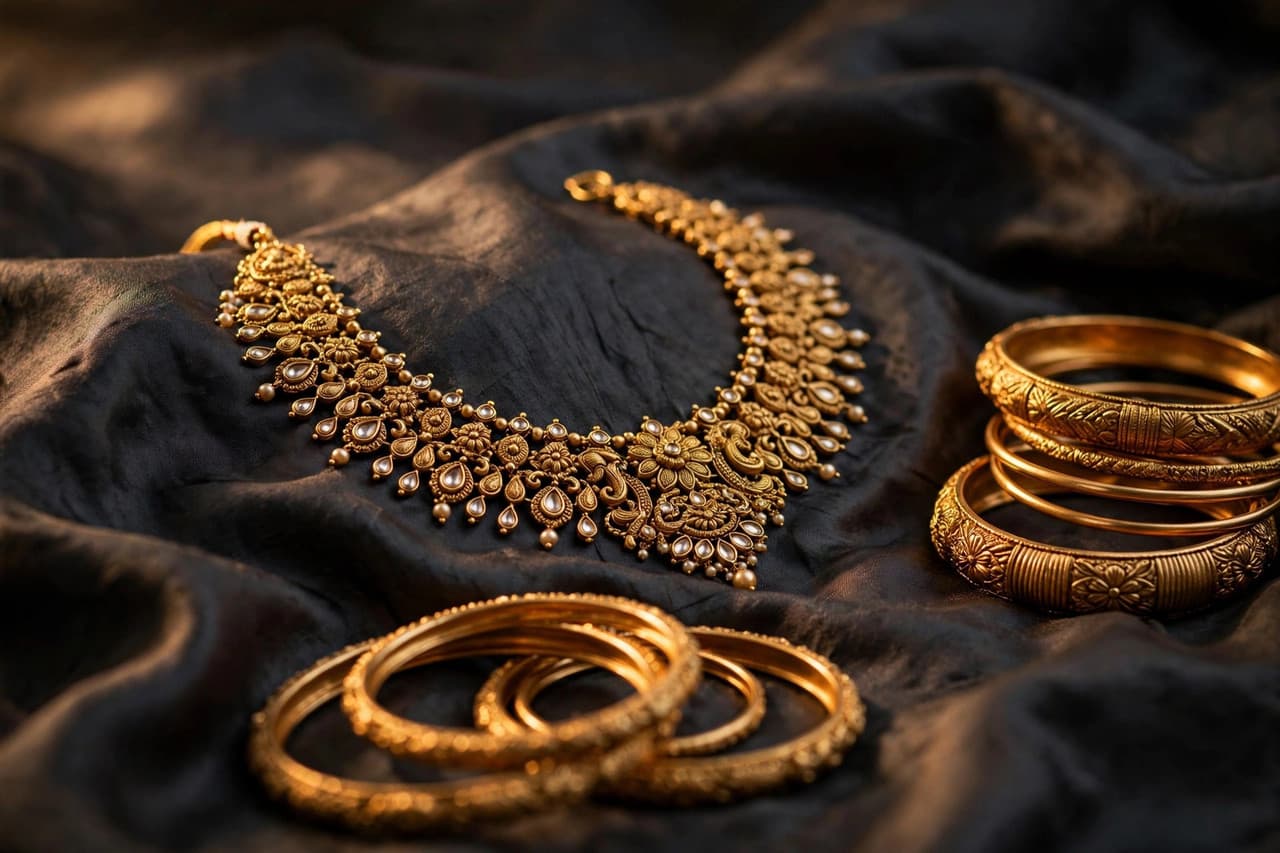
> **Quick Answer:** With 24K gold near ₹1.50 lakh/10g ahead of Dhanteras (Nov 6, 2026), gold ETFs keep the most gold per rupee for pure investment — no GST, no making charges. Jewellery suits the muhurat and wearability, not returns. Digital gold adds 3% GST, spreads and a SEBI caution; new SGBs are unavailable since Feb 2024.
Why this Dhanteras guide is different from every other gold guide
Most gold guides online are quietly out of date. Three 2026 changes reshape the maths: - **Import duty restored to 15%** (BCD 10% + AIDC 5%) from **May 13, 2026**, up from 6% — lifting combined duty-plus-GST incidence from **9.2% to 18.5%** and making physical gold roughly 9% costlier versus global prices. - **No new SGBs since Feb 2024.** Fresh tranches are paused ("off the table", per the Finance Minister); new investors cannot subscribe at issue. - **SEBI's digital-gold caution (Nov 2025):** no securities-market investor protections apply; an oversight proposal was under discussion in 2026 but is not final. Dhanteras 2026 is **Friday, November 6** (Diwali, **November 8**) — about five weeks away. That is your edge: decide calmly, because at ~₹1.50 lakh per 10 grams every percentage point of cost matters.The true cost per gram: what ₹1 lakh really buys
Forget price per 10 grams: for every rupee spent, how many grams end up in your name? Worked at early-October 2026 prices: **Gold ETFs — most gold per rupee for pure investment** - ₹1,00,000 buys exposure to roughly **6.64 grams** at the ~₹1,50,550/10g benchmark (₹15,055 per gram). - **No GST**, no making charges; only the fund's expense ratio plus brokerage/demat charges, with units tradeable any market day. - Flows confirm it: gold-ETF assets surged **191% (₹59,000 cr Mar 2025 → ₹1.71L cr Mar 2026)**; January 2026 saw gold-ETF inflows beat equity-MF inflows for the first time. **Physical gold jewellery — paying for craftsmanship, not gold content** - A 22K piece priced at ₹1,00,000 of gold value typically carries **8–25% making charges** (~12% common for machine-made, higher for handcrafted bridal), plus **3% GST on the metal** and **5% GST on the making charges**. - Worked example: ₹1,00,000 gold + ₹12,000 making + ₹600 GST on making + ₹3,000 GST on gold = **~₹1,15,600 at the counter**. - On resale, making charges, wastage and GST are **not recovered** — buyback pays for gold content only. That permanent entry premium makes jewellery the weakest investment vehicle. - Purity note: jewellery is typically 22K (₹1,37,500–₹1,38,142/10g across metros in early October) versus 24K investment pricing — compare like with like. **Digital gold — small-ticket convenience with hidden layers** - **3% GST**, **2–3%** markups, and **2.5–5% buy–sell spreads** on exit. Physical redemption adds minimum quantities plus delivery or minting charges. - Sales grew 69% in 2025 to ~13.5 tonnes, running ~**₹2,500 crore a month** since June 2026 — but read SEBI's November 2025 caution before holding large sums on an app. **SGBs — outstanding history, but no entry door for new buyers** - Existing holders did extraordinarily well: September 2026 redemption paid **₹15,384/g** against a ₹5,051 issue price (roughly 3x); August 2026's **₹15,310/g** turned ₹1 lakh into ~₹4.44 lakh (~23.7% annualised over 7 years, per ET) — historical outcomes, not promises. - With **no new tranche since February 2024**, fresh investors cannot subscribe. Secondary-market purchases carry their own premium and tax complications — see our companion gold-taxation guide. - Terms for holders: **2.5% annual interest** (taxable), 8-year tenor, premature redemption only after 5 years on interest-payment dates.What gold actually returned in real terms
Gold has had a strong run — 1-year gold-ETF returns were around **25% to October 3, 2026** (past data, per aggregator arthgyaan). But those are **nominal** returns: they do not subtract inflation. And gold falls too — spot gold dropped over 6% in September 2026 as US Treasury yields rose and the Fed hiked 25 basis points. Before judging any "gold gave X%" figure, adjust it for inflation to see the real return:
Use it on the historical numbers above — past performance, even SGB's 3x payout, is history, not a promise about the future.
The decision framework: pick by your goal, not by the muhurat
**1. The Dhanteras buyer — gold on the muhurat, to wear** - Jewellery is the culturally natural choice. But making charges of 8–25% plus GST are the price of craftsmanship and tradition — and they vanish on resale. In Q2 2026 jewellery tonnage fell 15% year-on-year while its value rose 34%: buyers are choosing lighter pieces. Consider doing the same. - If the goal is the auspicious purchase rather than adornment, coins and bars from a reputed refiner carry far lower making costs than jewellery. **2. The long-term investor — gold in the portfolio for 5–10 years** - Here ETFs dominate the per-rupee maths: no GST, no making charges, market-linked pricing, exchange liquidity. - Educators commonly suggest around **10% of a portfolio** in gold (up to 15% for conservative investors), rebalanced annually — allocation, not concentration, is the point. - Tax note in brief: ETFs held over 12 months qualify for the 12.5% long-term rate, versus 24 months for physical gold. Full picture in our companion gold-taxation guide. **3. The liquidity seeker — gold you can exit cleanly** - ETFs: sell on the exchange any trading day at near-spot prices. - Jewellery buyback pays melting value minus the making/GST premium — the widest haircut of any option. - Digital gold exits through the app's spread (2.5–5%); physical redemption adds delays and charges. - SGBs are the least liquid for new money: no fresh subscription exists, and holders can redeem prematurely only after 5 years.Five checks before you spend a rupee
- **Confirm karat and weight in writing.** Hallmarked pieces with the weight stamped matter more than any discount claim. - **Get the making-charge breakdown.** Flat per-gram charges (₹300–800/g) versus percentage (8–25%) produce very different bills — ask for both in writing. - **Benchmark digital gold.** Compare the app's per-gram quote with the ~₹15,055/g 24K benchmark before tapping buy. - **Glance at ETF costs.** 1-year returns to Oct 3, 2026 ranged 24.86%–26.19% across funds (past data) — differences come from expense ratios and tracking. - **Do not chase the muhurat at any price.** Five weeks of calm beats one rushed evening; a ₹1.5-lakh market punishes hurry.Frequently Asked Questions
Is gold a good investment at ₹1.5 lakh per 10 grams?
Are gold ETFs better than physical gold for Dhanteras?
Can I still buy Sovereign Gold Bonds in 2026?
Is digital gold safe after SEBI's warning?
How much GST do I pay on gold jewellery in 2026?
What changed about gold import duty in 2026?
This Dhanteras, buy gold with your eyes open
Pick which buyer you are — muhurat buyer, long-term investor, or liquidity seeker — shortlist only the vehicle that fits, and run the inflation calculator above before committing a rupee this Dhanteras.
Calculate Real Returns**Sources:** Business Today Oct 3 2026; Jagran Josh Oct 4 2026; Reuters Oct 1–2 2026; Moneycontrol/Indian Express May–Oct 2026; Business Standard/Kotak Sep 25 2026; AMFI-data analysis Sep 14 2026; World Gold Council via Outlook Money Oct 1 2026; arthgyaan Oct 3 2026; ET/Mint Sep 2026; SEBI PR No. 70/2025 Nov 8 2025.
This article is for educational purposes only and is not financial advice. Please consult a SEBI-registered investment adviser for personalised guidance. Investments are subject to market risk.
Discussion
KEEP EXPLORING
More in Mutual Funds & SIP